Physical foundations
Core strength, balance, posture and coordination for rolling, crawling, standing and confident first steps.
 Bangkok
A first adventure—together
4–36 monthsA parent or caregiver joins every class as babies and toddlers explore movement, music and age-right challenges in a warm, playful setting.
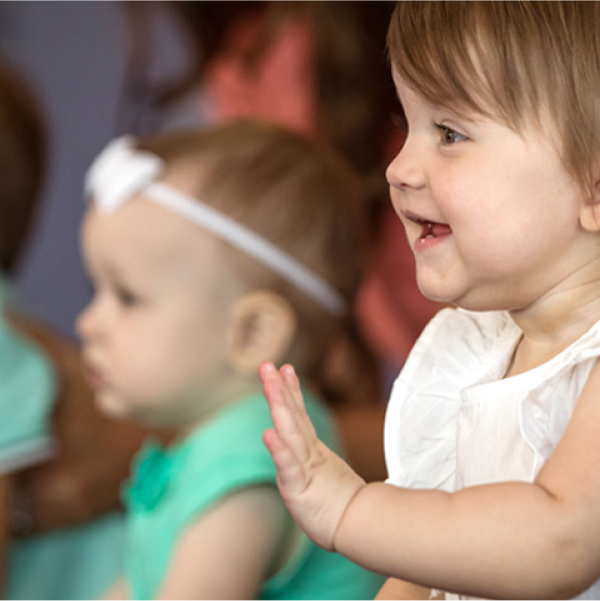
A US-developed, science-informed curriculum that turns every song, climb and cuddle into purposeful whole-child learning.
Why these early years matter
Babies learn through relationships, repetition and sensory experience. Our teachers guide families through activities that invite safe exploration while respecting each child’s individual pace.
Whole-child learning
Core strength, balance, posture and coordination for rolling, crawling, standing and confident first steps.
Sound, touch, rhythm and varied movement help children notice where their bodies are and what they can do.
Shared play gives parents practical ways to respond, encourage and celebrate discoveries together.
Names, songs, simple routines and friendly faces make being part of a group feel safe and familiar.
Choose the right class
Start with your child’s age, then open the detailed class page to see activities, focus areas and the full class rhythm.
Sensory discovery and gentle strength for rolling, sitting and crawling.
View class details→Balance, body awareness and communication for new movers and first steps.
View class details→Purposeful running, jumping, climbing and imaginative social play.
View class details→What a normal class feels like
The theme changes, but a familiar sequence helps children feel secure, understand what comes next and gradually take on new challenges.
Names, music and predictable cues help everyone settle in.
Simple whole-body actions wake up muscles, senses and attention.
Songs, props and playful directions practise listening and connection.
Families climb, balance, roll and move through teacher-designed stations.
Visual tracking, cause and effect, celebration and a calm close.
You are part of the learning
Teachers model safe support and show why an activity matters. You help your child try it, pause when needed and enjoy the success together—ideas you can carry into everyday play.
The learning principles behind the play
Our curriculum is science-informed. These independent resources explain some of the broader child-development principles that shape our approach.
Back-and-forth interaction supports the foundations of early development.
Harvard Center on the Developing ChildRead source ↗Young children benefit from active play, varied movement and limited sedentary time.
World Health OrganizationRead source ↗Questions parents often ask
Yes. Classes follow age ranges, but teachers offer options for different stages. The goal is to create useful experiences, not to test milestones.
Yes. One familiar adult can participate. Please confirm any branch-specific arrangements with the team before class.
Start with your child’s age. Message the branch if your child is close to a boundary and the team will recommend the most comfortable fit.
Explore another age