Progressive technique
Floor, bars, beam and vault skills develop through safe shapes, strength and connected sequences.
 Bangkok
Personal progress with purpose
7–12 yearsProgressive gymnastics and individualized coaching help every child work from their own level—building technique, perseverance and pride without pressure to compare.
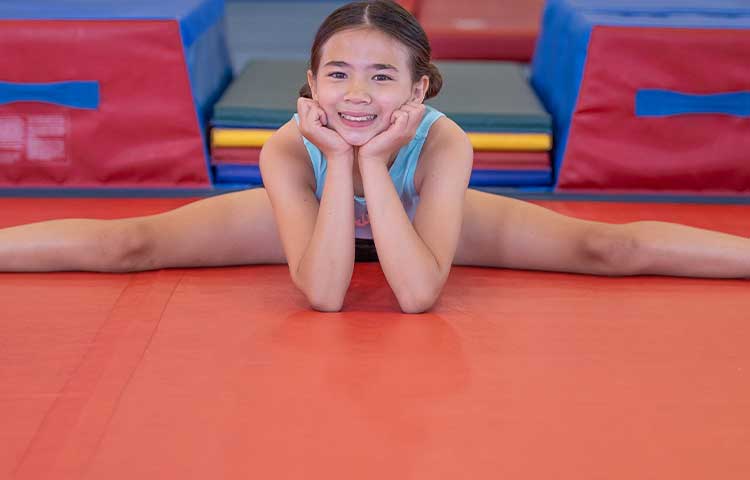
A US-developed, science-informed learning program where gymnastics becomes a practical way to practise focus, courage and self-direction.
Ready for meaningful challenge
School-age children can understand goals, reflect on feedback and connect practice with improvement. Teachers break skills into achievable progressions so children experience both challenge and genuine success.
Whole-child learning
Floor, bars, beam and vault skills develop through safe shapes, strength and connected sequences.
Children learn to notice details, remember corrections and adjust their own movement.
Sharing space, encouraging peers and respecting different levels make confidence generous—not competitive.
A difficult skill becomes a lived lesson in goal-setting, patience and trying again with a plan.
Choose the right class
Start with your child’s age, then open the detailed class page to see activities, focus areas and the full class rhythm.
Individualized grade-school gymnastics across floor, bars, beam and vault.
View class details→Teachers choose progressions that make the next step understandable and achievable.
View class details→More experienced children refine technique, connect skills and take greater ownership.
View class details→What a normal class feels like
The theme changes, but a familiar sequence helps children feel secure, understand what comes next and gradually take on new challenges.
Mobility, shapes and strength prepare the body for the day’s goals.
Teachers explain the purpose, cues and safe progressions.
Small groups practise floor, bars, beam and vault at appropriate levels.
Each gymnast works on a next step, combination or correction.
Effort, technique and smart persistence are recognised—not only the finished skill.
Coaching that respects the individual
Children participate independently. The teacher observes current control, confidence and experience, then selects drills and progressions that make challenge productive rather than overwhelming.
The learning principles behind the play
Our curriculum is science-informed. These independent resources explain some of the broader child-development principles that shape our approach.
Physical activity is associated with benefits for cognition, academic performance and emotional health.
US Centers for Disease Control and PreventionRead source ↗Play offers opportunities to plan, take manageable risks and build resilience.
American Academy of PediatricsRead source ↗Questions parents often ask
No. Teachers begin from the child’s current level and choose safe progressions. Share any previous experience when you contact the branch.
Age is the starting point, while coaching within class can be adjusted for control, confidence and experience. The branch can advise on the closest fit.
Teachers give children feedback during class. Ask your branch about term updates, parent communication and the best time to discuss an individual goal.
Explore another age