Get Moving
Motor skills, flexibility, strength, balance, agility and coordination through purposeful movement.
 Bangkok
The serious purpose behind Serious Fun
The Little Gym uses gymnastics, music, imaginative play and positive coaching to nurture the whole child—physically, intellectually, socially and emotionally.
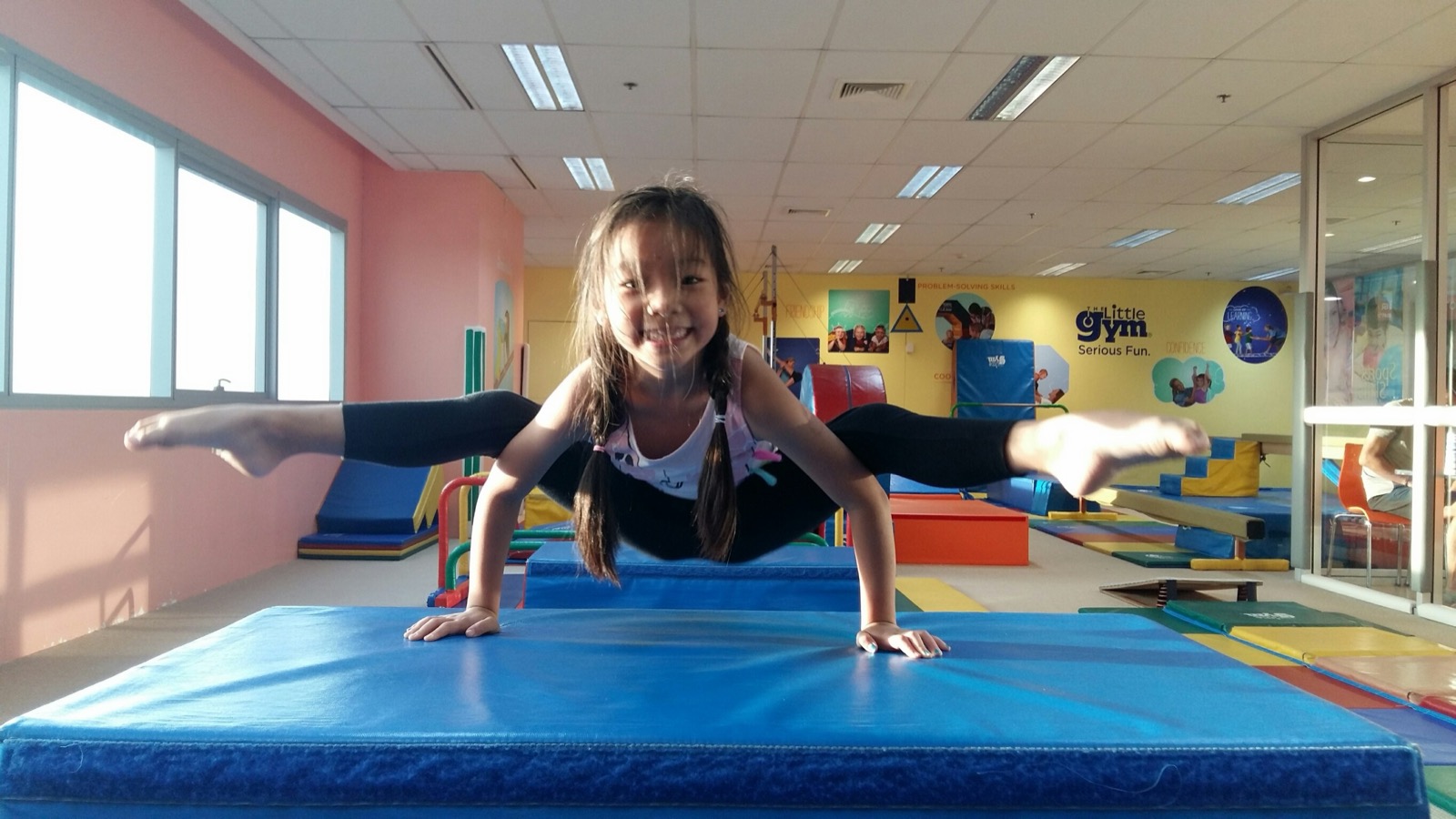 Whole-child development
The official philosophy
Physical activity is the starting point, not the finish line. Every class deliberately supports three connected dimensions of development.
Motor skills, flexibility, strength, balance, agility and coordination through purposeful movement.
Listening, concentration, creativity, imagination and decision-making that travel beyond the gym.
Sharing, teamwork, cooperation, respect and early leadership alongside friends and teachers.
✦The magic is in the overlap: a beam activity can strengthen balance, focus and courage at the same time.
The full picture
Development is connected. A child who learns to steady their body may also become better able to steady their attention, try again and trust their own judgment.
A positive first experience of listening, following a teacher and working toward a goal.
More willingness to join a group, follow a routine, stay with a task and ask for help.
New experiences become exciting challenges rather than tests a child must pass.
A child who approaches unfamiliar tasks with more curiosity, communicates feelings and recovers more calmly after a wobble.
Individual progress happens inside a caring group where everyone has a part to play.
Greater comfort joining play, waiting for a turn, encouraging a friend and expressing what they need.
Gymnastics develops a broad movement vocabulary that supports active childhood and future sports.
Smoother running, jumping and landing; stronger posture; better balance; and more confidence in playground movement.
Children learn where their body is, how it is moving and how much force a task needs.
Better judgment of space, more controlled force, steadier balance and growing confidence navigating obstacles.
Children experience the powerful feeling of doing something for themselves.
More initiative, pride in effort, patience with practice and confidence saying, ‘I can try.’
The benefits grow with them
The philosophy stays consistent from 4 months to 12 years, while activities and expectations change with development.
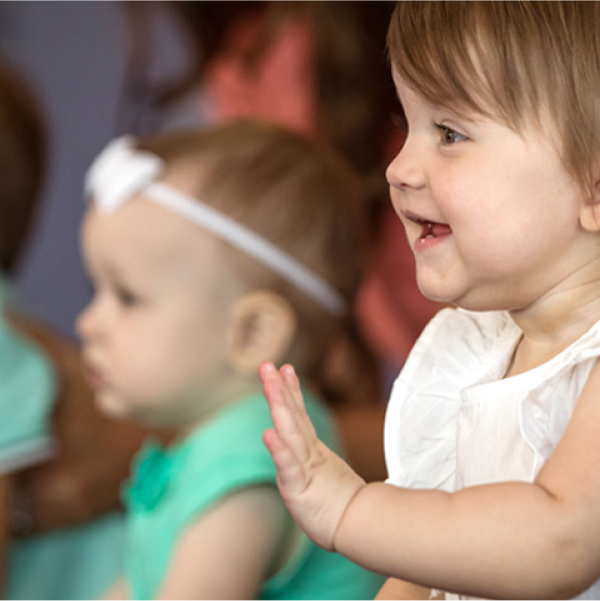 4–36 months
Parent–child classes combine sensory exploration, early motor milestones and close caregiver connection. Parents also learn playful ways to support development at home.
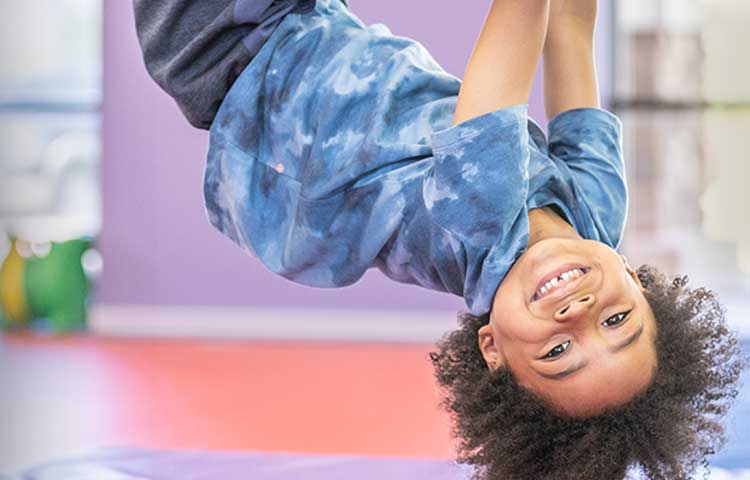 3–7 years
Children begin participating without a parent, building classroom readiness, social routines and foundational gymnastics through structured imaginative play.
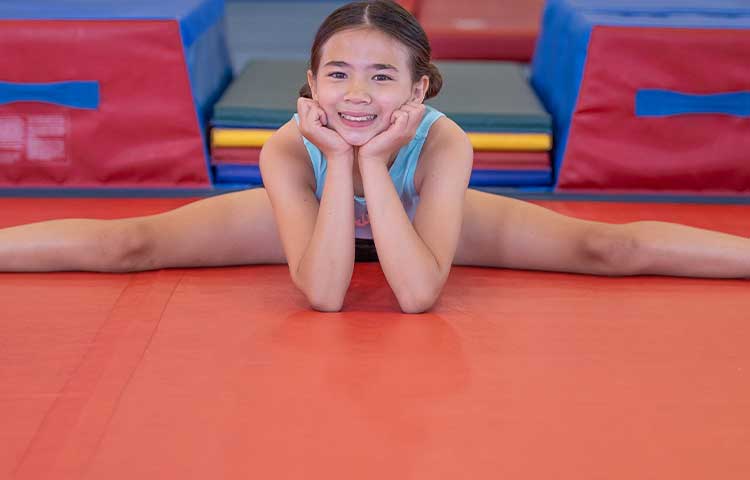 7–12 years
Individualized skill progressions strengthen technique, goal-setting, perseverance and pride—without a high-pressure competitive environment.
Choosing a children’s program in Bangkok
When parents compare children’s education, enrichment or gymnastics programs, these practical signals matter more than a single promise or ranking.
Activities should match how children move, listen and participate at their current developmental stage.
Parents should understand what a child is exploring now and the safe next step that follows.
Clear guidance, encouragement and room to try again help skills and confidence grow together.
Location, schedule, class format and communication should make consistent attendance manageable.
At The Little Gym Bangkok, our team starts with your child’s age, experience and comfort level, then helps you compare the relevant classes and branch schedules.
From our Bangkok parent library
These articles show the development principles in action—inside class and through simple family play.
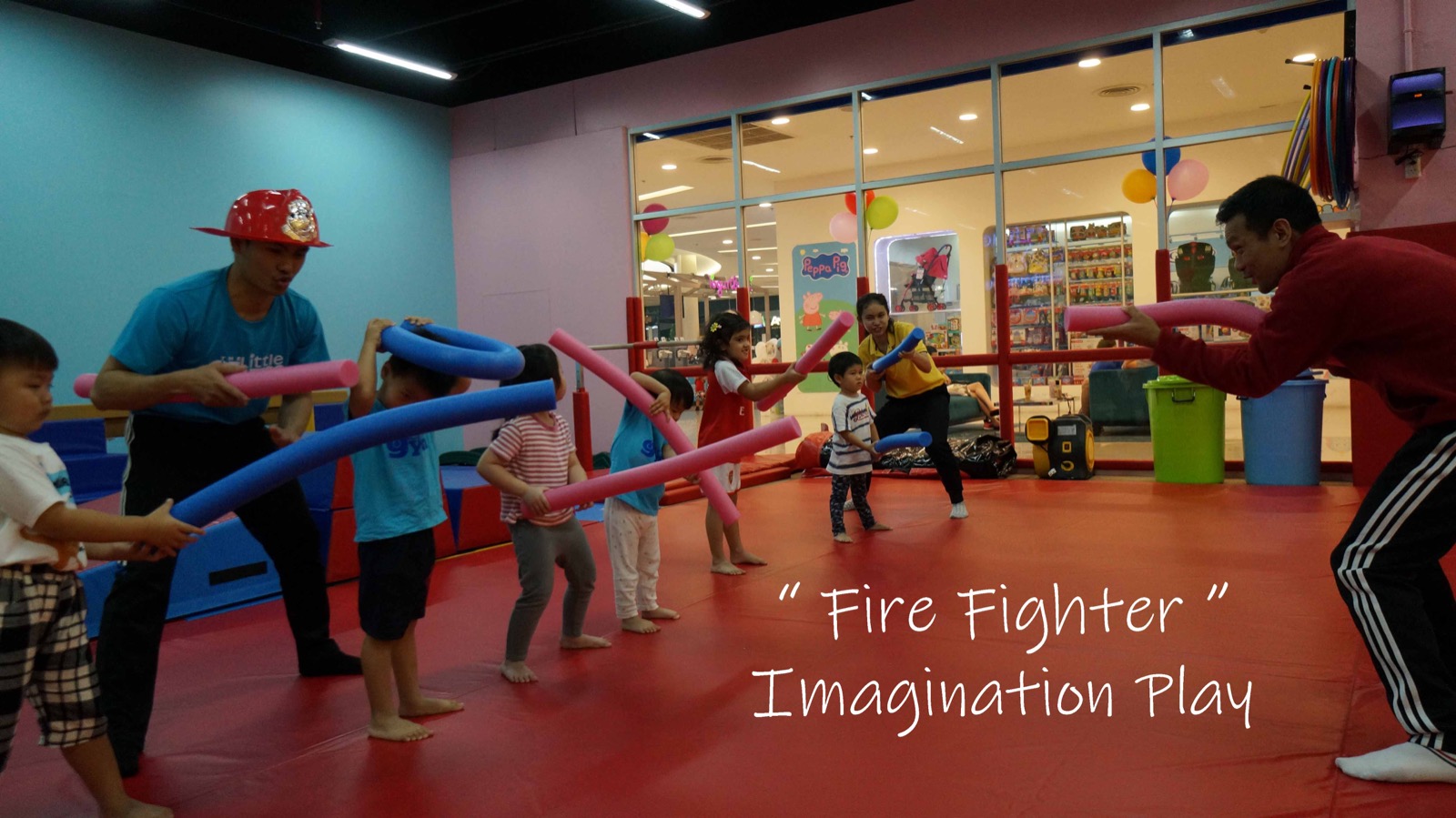
A rescue story combines gymnastics, listening, directions, social roles and problem-solving.
Read original article→Why agility, balance, coordination, power, reaction time and speed all matter.
Read original article→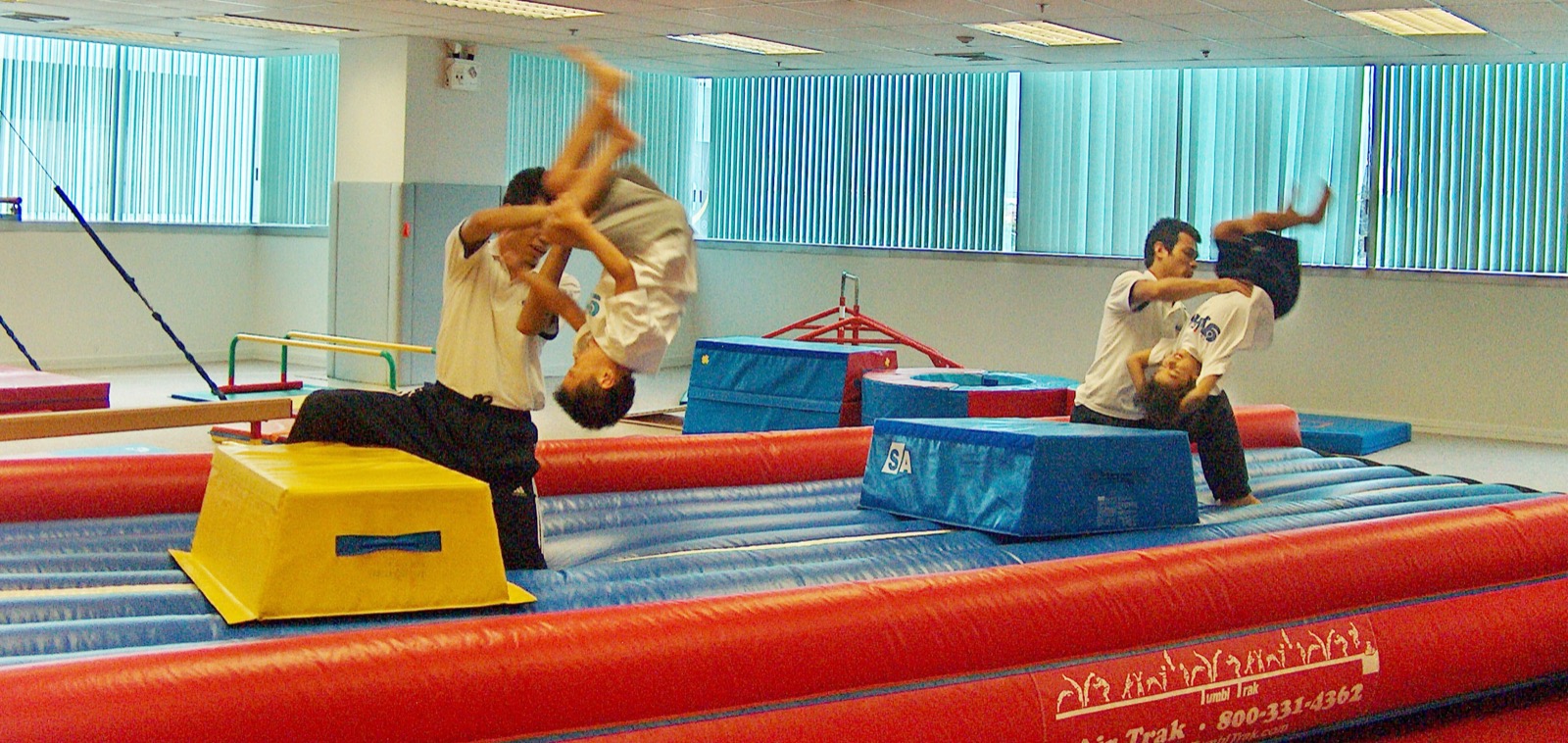
How pushing, pulling and supported movement develop the body’s inner ‘safe sense’.
Read original article→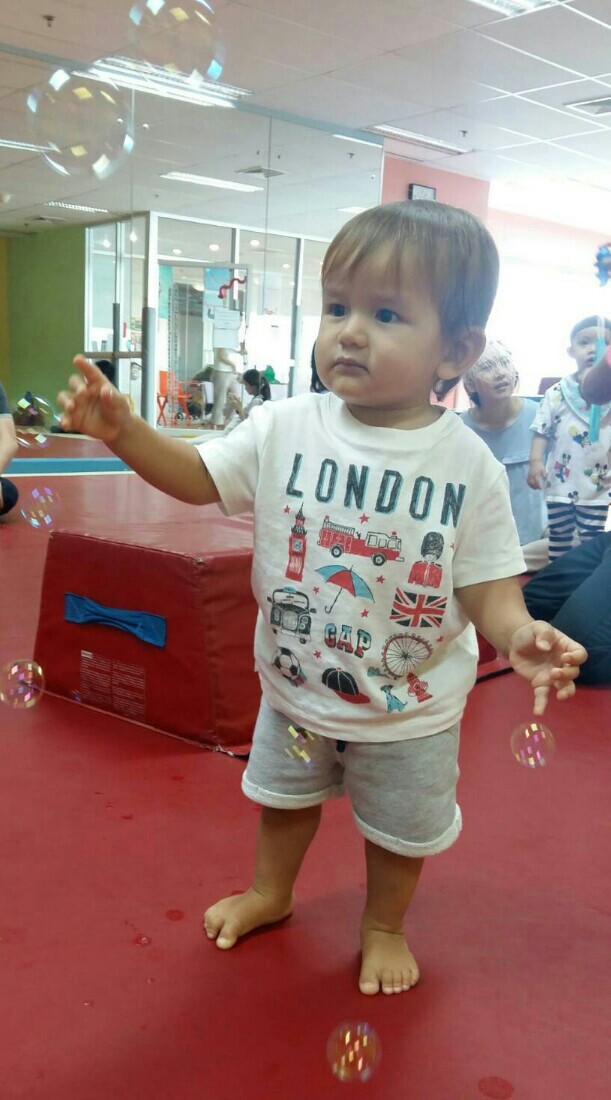
A joyful way to practise visual tracking, reaching, coordination and cause and effect.
Read original article→This page brings together The Little Gym Bangkok’s detailed benefits guide and parent articles with The Little Gym’s official Three-Dimensional Learning philosophy. It is educational information about our program, not medical advice.
See the benefits in motion
Tell us your child’s age and preferred branch. Our team will help you find a welcoming place to begin.