
The Bangkok parent library

Understand the learning inside the fun.

Four practical guides from The Little Gym Bangkok explain how imaginative play and purposeful movement support a child’s development—in class and at home.

Browse the four guides
Children exploring firefighter imagination playToddler reaching toward bubbles4
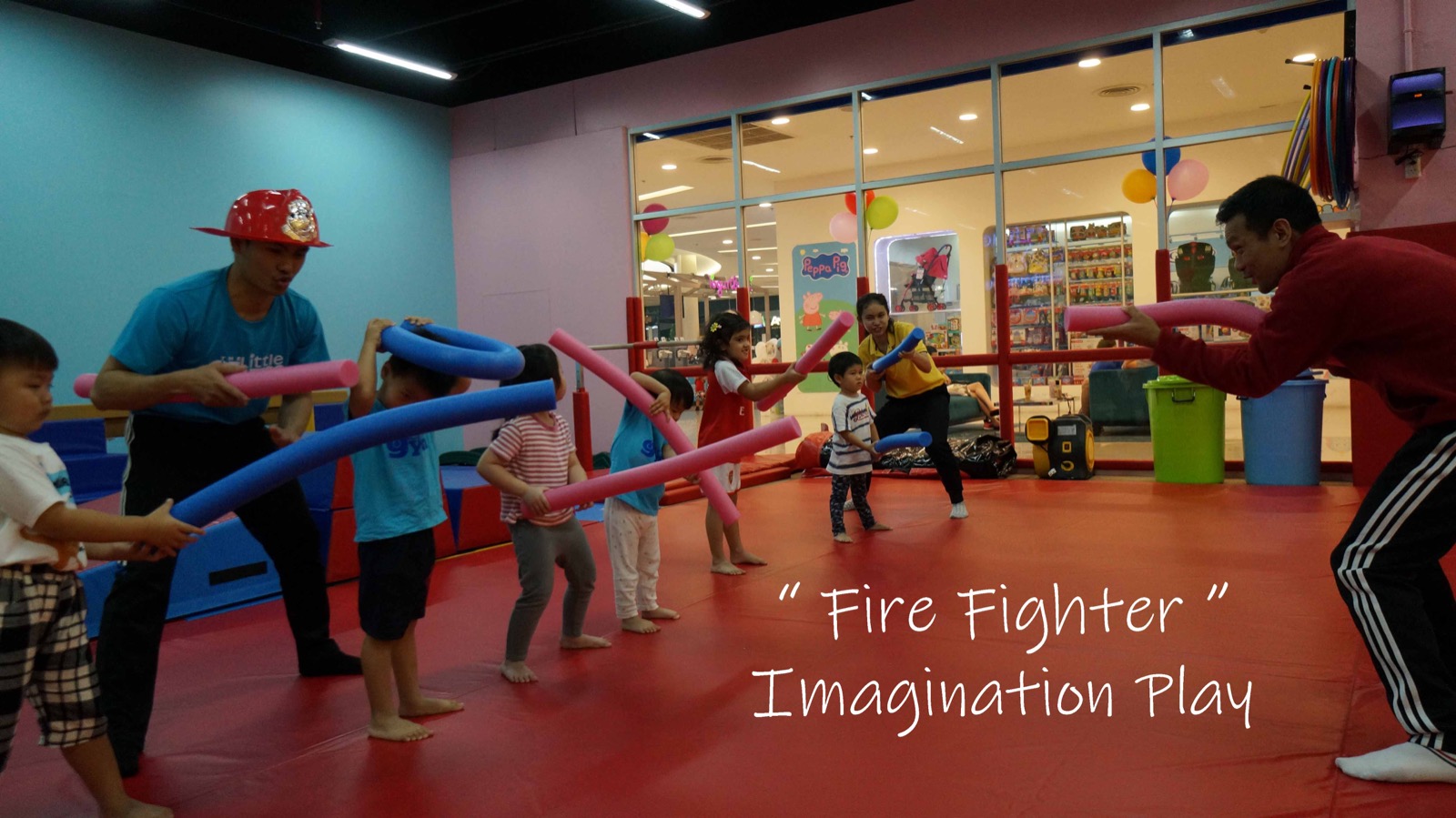
Children exploring firefighter imagination play01

Inside our classes

Fire Fighter Imagination Play

A pretend rescue mission is much more than a costume or story. It gives children a reason to listen, remember, move with purpose and cooperate with others.

What the children may do

  • Follow a rescue route over, under and around equipment.
  • Carry or roll a soft ‘hose’ toward an imaginary fire.
  • Balance, crawl, jump and stop when they hear a cue.
  • Take turns helping a friend or completing a team mission.

What the story develops

  • Directional language and multi-step listening
  • Balance, coordination and spatial planning
  • Flexible thinking and simple problem-solving
  • Cooperation, confidence and awareness of others

The parent takeawayThe weekly theme makes repetition feel new. Children practise important movement patterns again and again because the activity feels like an adventure—not a drill.
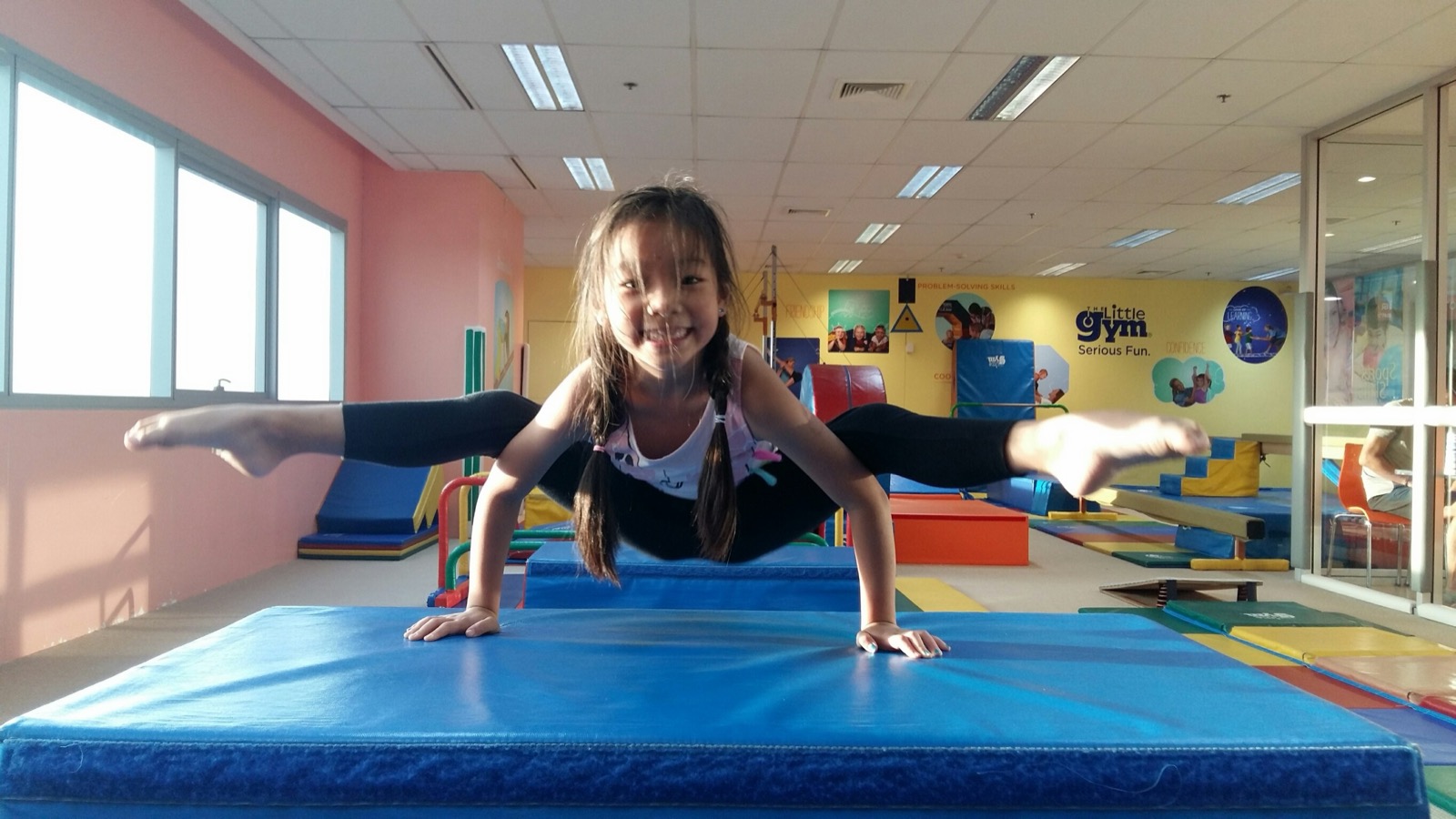
Child developing motor skills through gymnastics02

Motor development

Confidence begins with motor skills

Motor confidence is not one single ability. Children combine several skills whenever they run across a playground, catch a ball or try a new gymnastics station.

Six connected building blocks

  • Agility — changing direction with control
  • Balance — staying steady while still or moving
  • Coordination — organising different body parts together
  • Power — using strength quickly
  • Reaction time — responding to what happens
  • Speed — moving efficiently and confidently

Why confidence grows

  • A wider movement vocabulary gives children more ways to join play.
  • Small successes make unfamiliar physical tasks feel approachable.
  • Progressive challenges show that practice can change what the body can do.
  • Positive coaching keeps effort and discovery more important than comparison.

The parent takeawayThe aim is not to rush a child toward advanced skills. It is to build broad foundations so movement feels familiar, enjoyable and available to them.

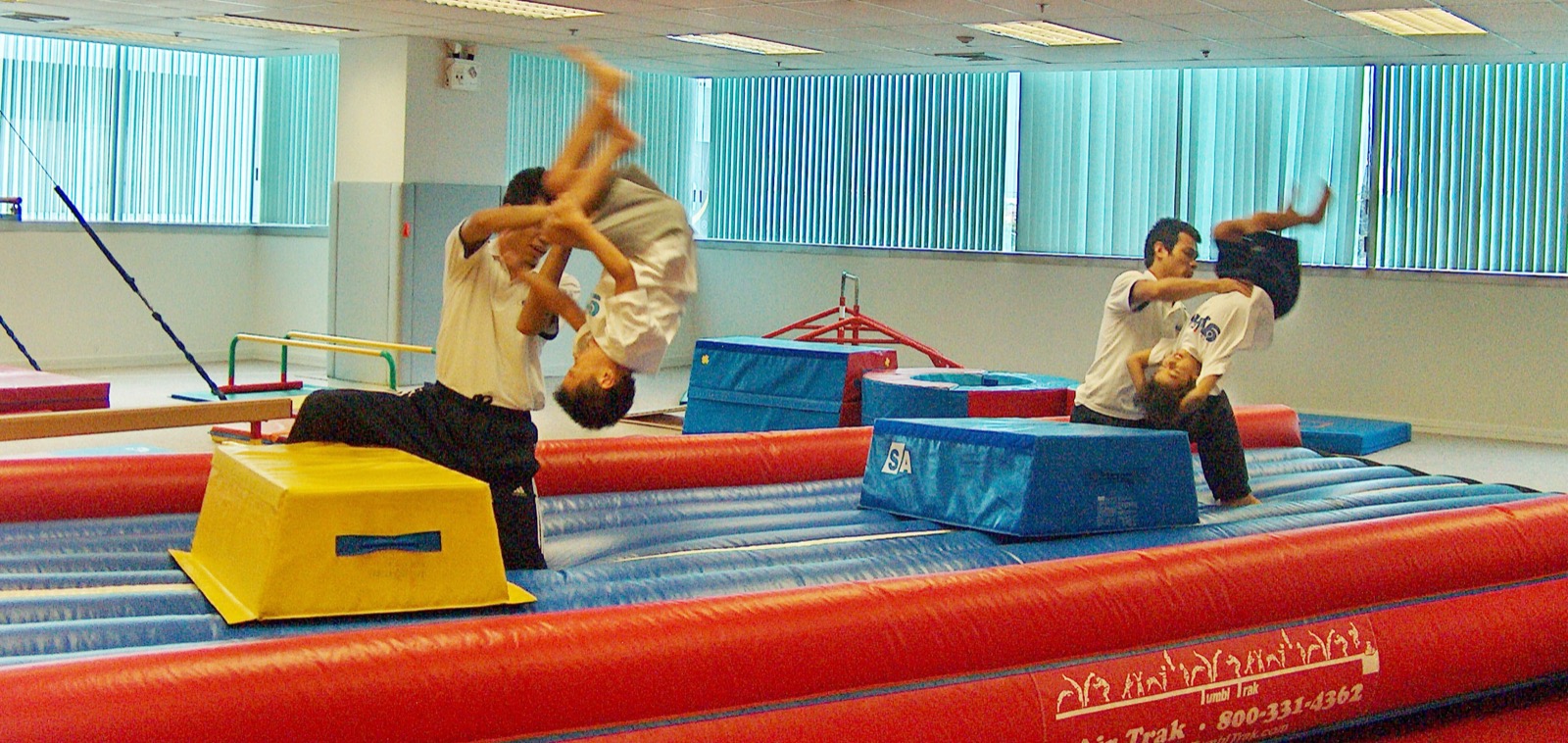
Children practising body awareness with a coach03

Movement science

Your child’s inner ‘safe sense’

Proprioception is the body’s awareness of where its parts are and how much force they are using. It helps a child move without needing to watch every hand or foot.

How children explore it

  • Pushing, pulling and carrying age-appropriate objects
  • Crawling, climbing and supporting body weight
  • Squeezing, hanging and landing with control
  • Moving through obstacle courses with changing heights and directions

What parents may notice over time

  • More controlled force when holding or moving objects
  • Better judgment of personal space and obstacles
  • Stronger posture and steadier transitions
  • Growing confidence in active play and new environments

The parent takeawayBody awareness develops through varied, repeated experiences. Activities should remain age-appropriate and supervised; every child’s development follows an individual path.

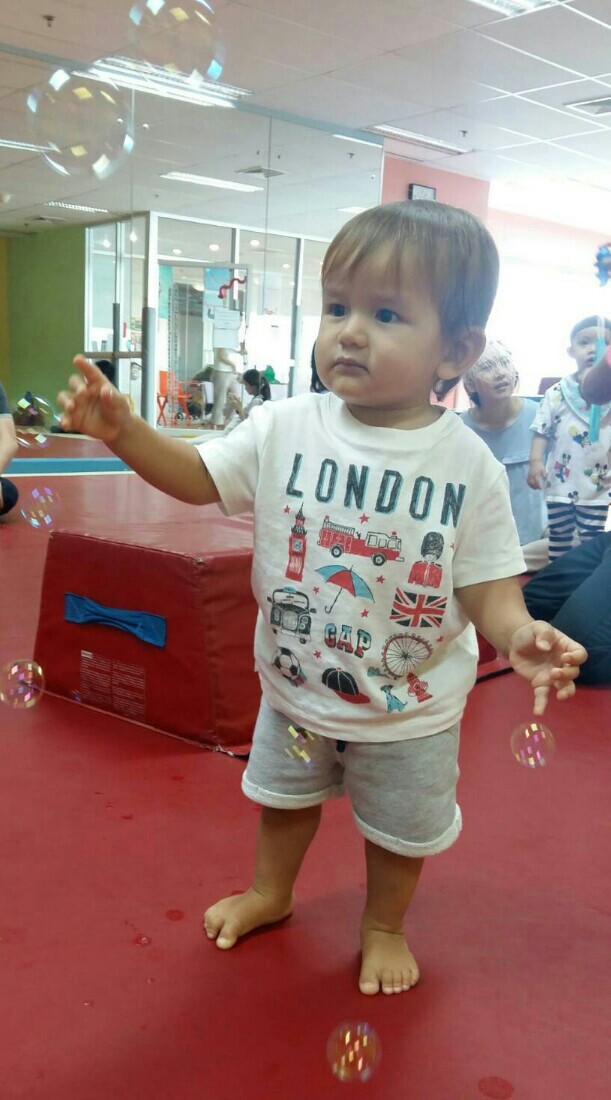
Toddler reaching toward bubbles04

Try it at home

The magic of blowing bubbles

Bubbles turn a very simple game into a rich sensory and movement experience. Their changing speed and direction invite children to watch, predict, reach and respond.

Skills hidden in the game

  • Visual tracking as bubbles float across the room
  • Hand–eye coordination when reaching or popping
  • Balance and weight shift while moving toward a target
  • Cause and effect when blowing, touching and popping

Ways to vary the play

  • Pop with one hand, two hands, a foot or an elbow.
  • Name high, low, near and far as bubbles move.
  • Count bubbles or pause for a ready–set–go cue.
  • For older children, ask how softly they can pop one.

The parent takeawayUse child-safe bubble solution, supervise closely and choose a surface that will not become slippery. The best learning comes from following the child’s curiosity.

From the original Bangkok blog

More topics parents have explored with us

The original WordPress library included 23 published articles. The four guides above have been rebuilt in depth; these additional themes remain part of our parent-resource archive.

05

Preparing your child to go back to school

06

Easy summer crafts

07

Teaching generosity

08

The benefits of group activity

09

Keeping imagination moving

10

Music and early brain development

11

Preparing for preschool

12

Play that develops large muscles

13

IQ, EQ and MQ through Show Week

14

Confidence and school readiness

15

Balance beam and self-belief

16

Listening and teamwork games

17

Gymnastics and body coordination

18

Healthy physical growth

19

Trust, appropriate risk and core strength

20

Self-discipline and successful habits

21

The Wind Beneath My Wings

22

Whole-child potential

23

The Little Gym and three sensory systems

Bring the ideas to life

See purposeful play in a class designed for your child’s age.

Tell us your child’s age and preferred branch. Our team will suggest a comfortable place to begin.

LINEAsk about a trial class